

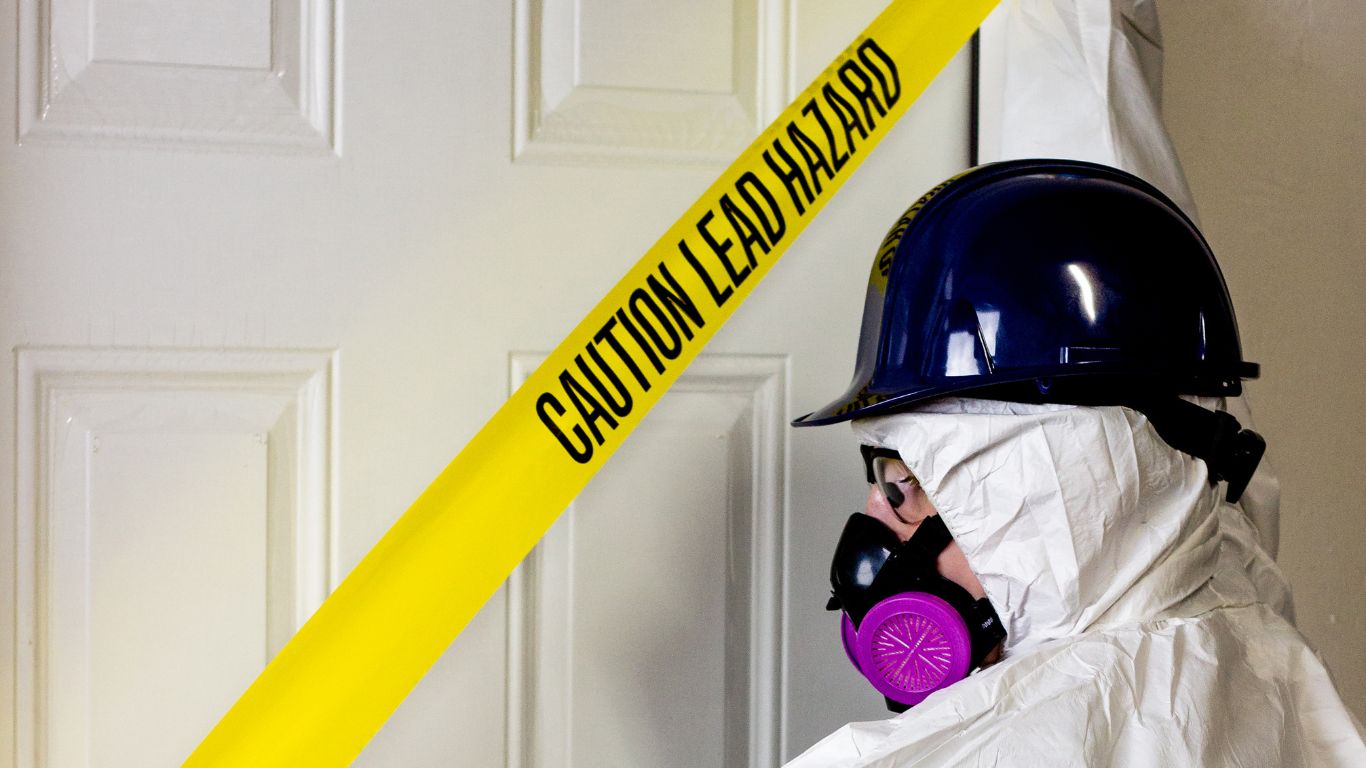
How Lead Testing Lets You Sleep Better Knowing Your Home Is Safe
You secure the entrances, switch off the illumination, and prepare for sleep. However, there is a factor that most people living in houses do not consider when unwinding. What is lurking in the walls, paint, or water? Thankfully, lead testing now gives us a clear picture of the situation surrounding a hidden menace, one we cannot see but must not ignore. At NanoGuard, we help homeowners get the answers they need so they can feel confident in the place they live.
Understanding Lead in Homes
What Is Lead and Why Was It Used?
Lead is a heavy metal that builders used for decades. It showed up in paint, pipes, and plumbing parts because it lasted a long time and resisted corrosion. At the time, people didn’t know how dangerous it could be. Once health risks became clear, laws limited its use. Still, many homes built years ago may contain lead today.
Where Lead Lead commonly Appears Today
Lead often hides in old paint layers, especially on windows, doors, and trim. Additionally, lead can be present in household dust, soil around the home, or drinking water that runs through old pipes. It is usually not visible to the naked eye. That is the reason why lead testing is so necessary. It detects the issue before it impacts your health.
Homes Most at Risk
Older homes face the highest risk, especially those built before lead paint bans. Homes that underwent past renovations without proper safety measures also carry a higher risk. Sanding or scraping old paint can release lead dust into the air. If you live in a house with a long history, testing gives you peace of mind.
Why Lead Exposure Is a Serious Concern
Lead exposure can affect anyone, but children face the highest risk. Learning, behavior, and growth can be affected by even small amounts. For adults, chronic headaches, fatigue, and high blood pressure can be a gradual development. Through festering and trampling dust from floors or even soil, pets, too, can get lead. The tricky situation is that the symptoms are not always immediately visible. Until testing discloses it, many families live in ignorance of the problem.
Visual Inspection and Sampling
Professional lead testing starts with a careful inspection. Technicians inspect painted surfaces, dust-prone areas, water sources, and soil, if needed. They collect small samples in a controlled way to avoid spreading particles.
Professional Testing vs. DIY Kits
DIY kits can overlook hidden sources and yield vague results. However, the professional tests support the use of recognized methods and thorough laboratory tests. You must carefully weigh the truthfulness, especially when the family’s health is at risk. In this situation, NanoGuard uses accurate information to guide landlords’ decision-making.
Understanding Test Results
The examinations show the lead content and its distribution. The specialists explain the figures in everyday language. Not all results require significant action. Sometimes, mere monitoring of the situation or the application of simple safety measures is the solution. In other cases, addressing the problem may help reduce risks for future generations.
When Should You Consider Lead Testing?
There’s no bad time to test, but some moments matter more than others. Many homeowners schedule lead testing before buying or selling a home. Others test before starting renovations. Testing provides added protection if young kids, pregnant family members, or pets live in the house.
How Lead Testing Protects Your Family
Testing helps catch issues early. Detecting a problem early reduces health risks and gives more control over subsequent actions. Once you have recognized the presence of fungi, you can pick the safe routes! Options could include covering the area with plastic, increasing vacuuming, or booking a deep cleaning with a technician. Truthful information is a great stress reliever, and it is a plus for the whole family when they can all breathe clean air.
What Happens If Lead Appears
Finding a lead doesn’t mean panic. It implies that you possess some information. Depending on the findings, the options may be sealing the painted areas, replacing the contaminated soil, or removing the old plumbing parts. Nevertheless, qualified personnel will conduct these phases safely. In addition, informal measures such as wet cleaning and restricting access to certain areas reduce exposure risk. Lead testing provides a plan rather than letting you wander in the dark.
Why Choose NanoGuard for Lead Testing
At NanoGuard, we are very calm and direct in our manner. The team informs clients about the entire process and answers any questions that arise. We apply tested and approved methods and present the findings in a comprehensible way. There are no scare tactics, no pressure, only clear and safe guidance. People have confidence in us because we are respectful and honest about their concerns.
Maintaining a Lead-Safe Home
Different techniques could help secure the house even after the experiments. Floors and sills should be wiped regularly with moistened cloths to keep the dust down. Don’t perform any jobs (e.g., sanding or scraping old paint) unless a pro is in charge. Keep an eye on the painted areas to see if they are gradually getting worse, and then use lead-safe practices when you hire professionals for your next project. Regular intervals of lead testing ensure nothing changes as your house ages.
Peace of Mind Starts with Knowing
A safe home helps you rest easier at night. Lead testing helps identify a hidden danger and safeguard your family. It’s not a matter of panic. It’s a matter of knowledge and sound decisions. Whenever you decide to take that step, NanoGuard will help you get to know your home and feel confident in the place you live.
To stay updated with us, please follow our Facebook page.